

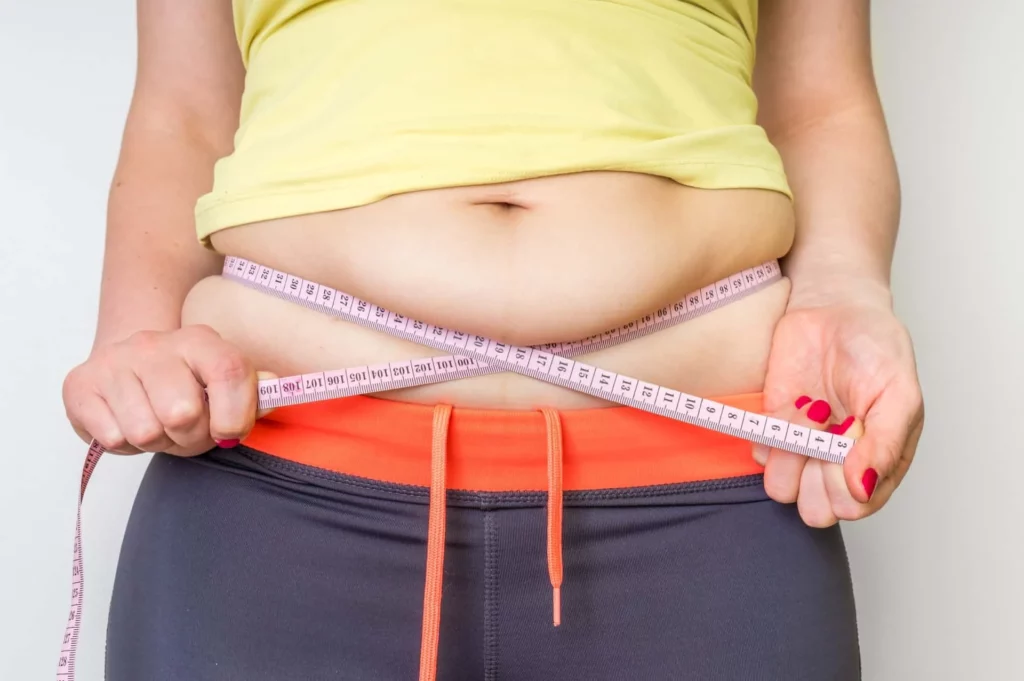
Have you ever felt like you’re doing everything good like eating well, exercising regularly yet the scale just won’t budge? You are not alone. A lot of people also had this problem, hormonal weight gain is the hidden reason behind stubborn fat that won’t go away. When your hormones fall out of balance, your body can start holding onto weight no matter how hard you try. Understanding how your hormones work is the first step to feeling more in control of your health and finding your natural balance again.
That’s right hormones might be the real reason why you’re struggling with your weight. These chemical messengers control everything from how we store fat to how hungry or full we feel. If your hormones are out of whack, it doesn’t matter how strict your diet is or how many hours you spend at the gym losing weight becomes a near-impossible challenge.
So, how do hormones really impact your weight, and what can you do about it?
Hormonal Imbalance: The Silent Weight Loss Saboteur
Ever heard of insulin, cortisol, or leptin? These three hormones play a huge role in determining how your body stores fat, regulates your appetite, and controls energy levels.
- Insulin: This hormone helps control your blood sugar levels. When insulin levels are too high (a condition called insulin resistance), your body struggles to regulate sugar, which leads to fat storage especially around the belly. Even if you’re eating the right foods, insulin resistance can make losing weight incredibly difficult.
- Cortisol: Often referred to as the “stress hormone,” cortisol is released when we’re feeling overwhelmed or anxious. Unfortunately, chronic stress keeps cortisol levels elevated, which triggers fat storage, particularly in the abdominal area. Not to mention, stress increases cravings for high-sugar, high-fat comfort foods that throw you off track.
- Leptin and Ghrelin: These two hormones are responsible for regulating hunger and fullness. Leptin tells you when you’re full, but when you become leptin resistant, your brain doesn’t get the message. On the other hand, ghrelin is the hormone that signals hunger. If ghrelin levels stay high, you’re more likely to overeat, even if your body doesn’t need the extra calories.
Common Signs of Hormonal Weight Gain
So, how do you know if your hormones are getting in the way of your weight loss goals? Here are some red flags to watch for:
- You’ve been dieting and exercising, but you’re seeing little to no results.
- You’re constantly feeling fatigued, even after a good night’s sleep.
- You experience frequent cravings, especially for sugary or salty foods.
- You’ve noticed weight gain, particularly around your midsection, even without changing your diet.
- Your stress levels are through the roof, and managing stress feels impossible.
If any of these sound familiar, it’s time to consider whether your hormones might be sabotaging your progress.
How to Balance Your Hormones and Lose Weight Effectively
If hormones are indeed the problem, what can you do about it? Here are some strategies that can help you get your hormones and your weight under control.
1. Prioritize Sleep
Lack of sleep is a major trigger for hormone imbalance. Aim for 7-9 hours of quality sleep each night to help your body reset, lower cortisol levels, and regulate appetite hormones like ghrelin.
2. Manage Stress
Research from the Cleveland Clinic also shows that stress hormones can directly affect your weight and appetite. Learning how to effectively manage stress is crucial for weight loss. Activities like yoga, meditation, or even just taking a few minutes each day to focus on your breathing can lower cortisol levels and prevent stress-induced weight gain.
3. Eat Whole, Nutrient-Dense Foods
Focus on foods that support hormone balance whole foods that are rich in vitamins and minerals, like leafy greens, healthy fats (such as avocados and omega-3s), and lean proteins. Avoid processed foods, refined sugars, and excessive carbohydrates that can cause insulin spikes.
4. Exercise Smart
Instead of hours of cardio, incorporate strength training and high-intensity interval training (HIIT) into your routine. These workouts not only help build muscle but also improve insulin sensitivity and lower cortisol levels.
5. Stay Hydrated
Staying hydrated is often overlooked, but it’s essential for regulating your hormones. Drinking enough water can help your body function optimally and prevent dehydration, which can stress your body and raise cortisol levels.
When to Seek Professional Help
If you’ve tried everything diet, exercise, stress management and still aren’t seeing results, it might be time to consult a healthcare professional. A functional medicine doctor can assess your hormone levels and create a personalized treatment plan. Treatments like bio-identical hormone replacement therapy (BHRT) can restore balance and give your metabolism the boost it needs to start working in your favor.
Take Charge of Your Hormones and Your Health
At the end of the day, weight loss is more complex than simply eating less and exercising more. Your hormones play a critical role in how your body responds to the efforts you put in. By taking steps to balance your hormones, you can finally unlock the weight loss success you’ve been working toward.
If this sounds like your story and you’re ready to get personalized guidance, visit our website for more information, check out our latest blogs, and book a call to start your wellness journey today!
Final Thoughts
Understanding how your body works especially how hormones affect your weight is the first step toward lasting change. You don’t have to keep fighting your body. Instead, learn to work with it.
At CaryWellness, we help you uncover what’s really happening inside your body and create a personalized plan that supports your hormone balance, energy, and confidence.
Start your wellness journey today your body will thank you.